
Can Pressure Washing Actually Damage Concrete? What you should Know
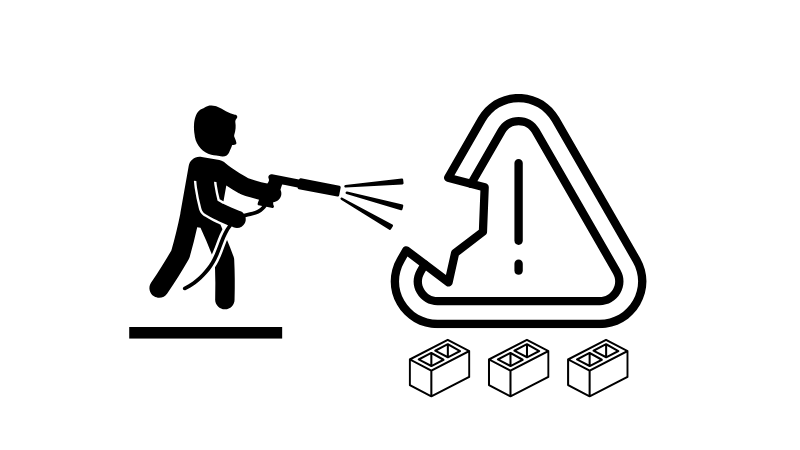
Concrete looks tough, and it is, but the surface you actually see is more delicate than most people think. Used the wrong way, a pressure washer can leave marks on a driveway or patio that no amount of cleaning will undo. It is one of the most common worries we hear from homeowners here, and the short version is simple: cleaning concrete is safe when it is done right and risky when it is not. Here is exactly how damage happens, how to spot concrete that is already at risk, and what a cleaning done right should look like.
Can Pressure Washing Damage Concrete?
Yes, it can. Done wrong, pressure washing can etch, streak, and permanently scar concrete, and once the surface is gone, it does not grow back.
Here is why. The top of a concrete slab is a thin, smooth layer of cement paste and fine mortar, finished over the harder aggregate, the sand and stone, underneath. The National Ready Mixed Concrete Association describes the loss of that layer, called scaling, as the flaking or peeling of the finished surface that leaves the aggregate exposed. A concentrated jet of water does the same thing mechanically. It is not about the slab’s overall strength, it is that thin top layer taking a blast it was never built to take. Cleaned properly, at the right pressure and distance, concrete comes out bright and unharmed. That is the whole difference.
The 6 Ways Pressure Washing Can Damage Concrete
Almost all concrete damage comes down to a handful of mistakes, and every one of them is avoidable.
Too Much Pressure
The most common mistake by far. People assume more power cleans better, so they rent the biggest machine they can find, often 4000 PSI or more, and turn it loose on a driveway. That much force strips the surface mortar and leaves the concrete rough, dull, and pitted.
Holding the Nozzle Too Close
Even at a safe pressure, holding the wand an inch or two off the surface drives all that force into one small spot. Pausing in one place, even for a second, can etch a permanent mark. The tip needs to stay back and keep moving.
Using the Wrong Nozzle or Spray Pattern
A narrow, zero degree tip turns the water into a cutting tool, and it carves lines into concrete fast. Cleaning calls for a wider spray that spreads the force out, not a pinpoint jet.
Cleaning Already Damaged Concrete
Concrete that is cracked, flaking, or worn is fragile, and high pressure finishes the job the weather started. Water driven into a crack widens it, and a weak surface loses more material with every pass.
Stripping Off a Sealer or Coating
Many driveways and patios have a clear sealer or a decorative coating on top. Too much pressure blasts that protective layer right off, and once it is gone the bare concrete is left open to stains and wear.
Cleaning Unevenly
Going over some spots and rushing others, or overlapping badly, leaves the surface blotchy, with bright clean stripes next to dirty ones. It is not always damage to the concrete itself, but it looks bad and can be hard to even out.
What Concrete Damage from Pressure Washing Looks Like?
When concrete gets cleaned wrong, the results show up fast, and some of them are permanent. Here is what to watch for.
Bright Stripes and Uneven Cleaning
Light streaks and wand marks running across the surface, where the spray sat too long or overlapped unevenly. On a driveway this shows up as a striped, patchy look.
Rough or Etched Areas
Spots where the smooth top has been stripped away, leaving the surface rough, dull, or sandpapery to the touch. This is the surface mortar being lost.
Surface Material Loss
Worse than etching, this is where the sand and stone underneath start to show through, called aggregate exposure. The finished surface is gone, and the concrete looks old and worn.
Damage No Amount of Cleaning Can Fix
The hardest truth about concrete: once the surface is etched or the aggregate is exposed, more cleaning will not bring it back. The fix is resurfacing or replacement, which is why doing it right the first time matters so much.
How to Tell If Concrete Is Already Too Damaged to Pressure Wash?
Some concrete should not be hit with high pressure at all, because it is already too far gone. A quick look before anyone starts saves a lot of grief.
Cracks and Broken Edges
Visible cracks, gaps, and crumbling edges are open doors. High pressure water forced into them widens the cracks and breaks off more of the edge.
Flaking, Spalling, or Loose Surface Material
If the surface is already flaking or peeling, called spalling, or you can feel loose grit underfoot, the concrete is shedding its top layer on its own. Pressure only speeds that up.
Very Old or Weathered Concrete
Decades of sun, rain, and traffic wear concrete thin. An old, chalky, or heavily worn slab has little surface left to lose, so it needs a gentle touch or none at all.
Areas With Past Repair Work
Patches and old repairs rarely bond as tightly as the original slab. High pressure can lift or blow out a patch, so those spots call for extra care.
Why Wilmington Concrete Can Be Harder to Clean?
Concrete on the Cape Fear coast faces a few things that inland concrete does not, and it changes what a safe cleaning looks like here.
Humidity and Moisture Feed Organic Growth
Wilmington sits in a warm, humid, coastal climate, and that damp air rarely dries out. Driveways, sidewalks, and patios stay moist, especially in the shade, and moisture is what mold, mildew, and algae need to take hold and spread. It is why concrete here grows a green or black film faster than it would in a drier place, and why owners are tempted to reach for more pressure to blast it off.
Why Black or Green Concrete Is Not Just Dirt
That dark staining on a shaded driveway or a north facing walkway, common in tree lined neighborhoods like Ogden and Landfall, is usually not dirt at all. It is living algae and mildew growing in the tiny pores of the surface, which is exactly why a plain water rinse does not keep it away for long. It needs a cleaning solution that kills the growth at the root, not just more force, which only harms the concrete while the growth comes right back.
How Coastal Conditions Affect Outdoor Concrete
Near the water, in places like Wrightsville Beach and Carolina Beach, salt in the air settles on outdoor concrete and holds moisture against it, keeping the surface damp even longer. Heavy coastal rain and the pine pollen that blankets the area each spring add to the buildup. All of it means concrete here needs cleaning more often, and the more often you clean, the more it matters that each cleaning is done gently and correctly.
Pressure Washing vs Surface Cleaning for Concrete: Which Is Better?
For large concrete areas, the tool matters as much as the pressure. There are two common ways to clean a big slab, and they give very different results.
Why Wand Cleaning Leaves Uneven Results
Cleaning a wide driveway with just the wand means waving the spray back and forth, and it is nearly impossible to hold the pressure and distance perfectly even by hand. That is how you get the striped, zebra look, clean lines sitting next to missed ones.
Why a Surface Cleaner Helps on Large Areas
A surface cleaner is a flat, round attachment that rides just above the concrete and spins two nozzles under a housing. It holds the pressure and distance steady across the whole surface, so it cleans evenly, with no wand marks, and it finishes faster. For a driveway, patio, or storefront walkway, it is the better tool.
Match the Method to the Concrete
The right choice depends on the surface. A big open slab does best with a surface cleaner, tight corners and edges get finished with a careful wand, and delicate or older concrete may need low pressure and a cleaning solution instead of force. Matching the method to the concrete is the whole skill.
Can Pressure Washing Remove Concrete Stains Without Damaging It?
Yes, in most cases. The trick is that the right cleaner does most of the work, not raw pressure. Match the approach to the stain and the surface comes clean without harm.
| Stain or Buildup | What Actually Removes It |
|---|---|
| Dirt, mud, and general grime | A normal wash at safe, moderate pressure. There is no reason to crank the machine up for basic surface dirt. |
| Mold, mildew, and algae | A cleaning solution that kills the growth, followed by a gentle rinse. Pressure alone can spread the growth and damage the concrete. |
| Rust, oil, and set-in stains | The right product for the specific stain, applied and given time to work. More pressure does not replace the correct cleaner. |
Why Cleaner Does Not Mean More Pressure?
The instinct to fix a tough stain by turning up the power is exactly backward. The more you lean on pressure, the more you risk the surface. The safest and most effective cleaning uses the least pressure that gets the job done and lets the cleaning solution carry the load.
What a Proper Concrete Cleaning Process Looks Like
A good concrete cleaning is careful and planned, not a quick blast. Here is what the right process looks like from start to finish.
- Inspect the concrete first: It starts with a real look at the slab, its age, its overall condition, and any cracks, joints, or past repairs. This is where a good crew decides what the concrete can safely take before a drop of water goes down.
- Identify the type of buildup: Dirt, algae, rust, and oil all need different handling. Knowing what is actually on the surface decides which cleaning solution and how much pressure the job calls for.
- Protect the surrounding areas: Nearby plants, mulch beds, and painted surfaces get rinsed and shielded first, so the cleaning never harms your landscaping or your property.
- Choose the right method: With the surface read, the crew picks the tools: a surface cleaner for the open areas, a careful wand for the edges, and the right cleaning solution for the growth, all at a pressure the concrete can handle.
- Check the finished surface: When the work is done, a good crew walks the concrete with you to make sure it came out clean and even, with no missed spots and no damage, then gives the area a final rinse.
What to Ask Before Hiring a Pressure Washing Company?
Since a bad cleaning can permanently scar your concrete, a few questions up front tell you a lot about who you are hiring.
Frequently Asked Questions
Need More Information? Keep Reading Us Online
We keep more guides like this one on our site, covering the rest of the exterior cleaning world for the Wilmington area, from house washing and roofs to decks, fences, and gutters. If you have a question about any of it, chances are we have a page that answers it, in plain terms. And when your driveway, patio, or walkway needs cleaning, see our full driveway and concrete cleaning service or call (910) 408-7236 for a free quote.